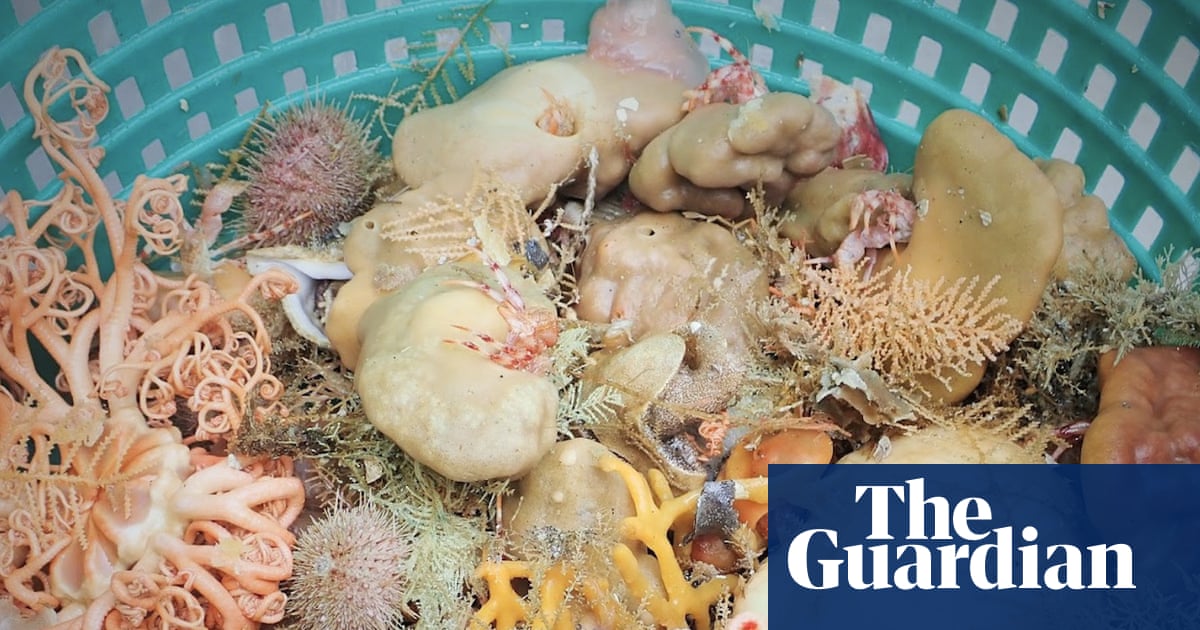
But their habitat is threatened by bottom trawling in the region and Trump’s plan to expand seafloor mining Scientists have discovered nine new deep-sea sponge species off Alaska, offering new insights into the region’s largely unexplored marine biodiversity. The National Oceanic and Atmospheric Administration (Noaa) announced the discovery on Thursday, saying the species were found in the Gulf of Alaska and the Aleutian Islands. The findings bring the total number of known sponge species in Alaska to 232. Continue reading...
14 Sep 2026, 09:28 GMTMagdalena Shopova for MetDesk
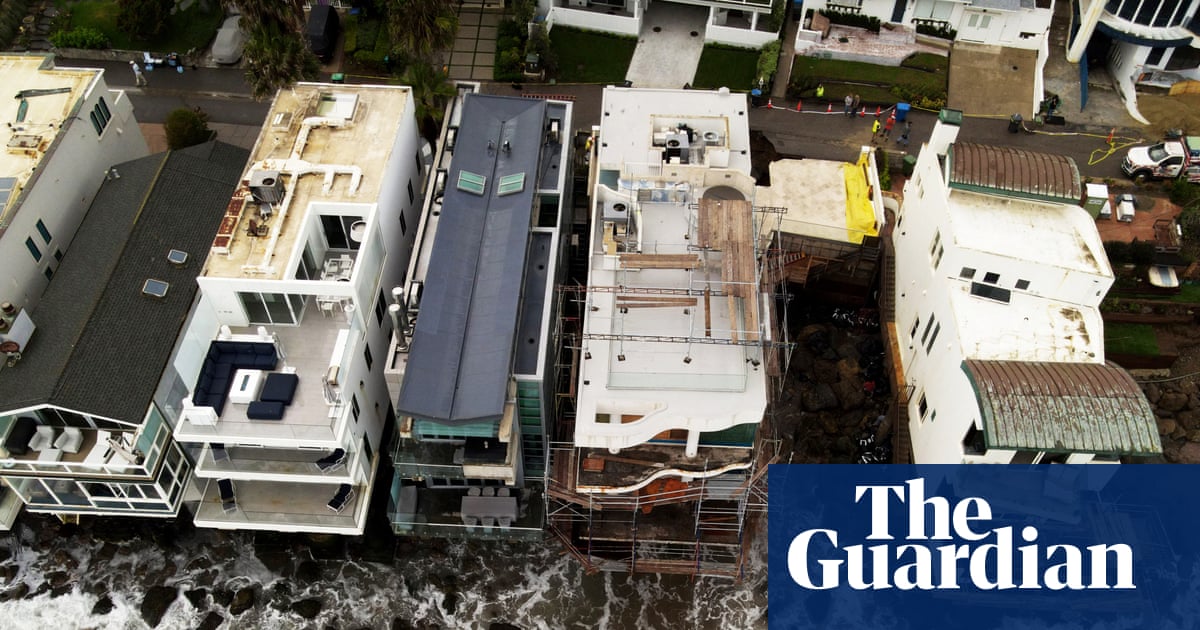
Flooding in West Bengal has led to three deaths, while severe beach erosion has been witnessed in Orange county Flooding around the city of Malda in the Indian state of West Bengal since Thursday has had a devastating effect. So far, three deaths have been recorded and many areas are still flooded, with numerous villages affected, along with the region of Bhutni. Erosion from the flooding, reported from Khaskol, led to a disruption in river flow which led to a more severe impact in Bhutni. More than 100 boats have been sent out for evacuation. At East Basudevpur, a 20ft (6-metre) embankment collapsed, reducing the channel from 550ft to under 150ft, which could lead to further flooding unless repaired. This flooding resulted after the Ganges River rose about 75cm above its “extreme danger” level owing to heavy rainfall. Continue reading...
There is an urgent need for more Indigenous individuals to collaborate before the few individual leaders burn out Originally published on Global Voices Deforestation in the Maranhão state of Brazil. Deforestation and land theft remain a persistent threat to Indigenous communities, including those who reside near the Amazon basin. Image from Wikimedia Commons. CC BY 2.0 . This post is part of Global Voices’ August 2026 Spotlight series, “ Indigenous Rights .” This series offers insight into the lives and experiences of Indigenous peoples to build connections across regions, center Indigenous experiences, and share the stories of leaders, activists, community members, and more. You can support this coverage by donating here . There are 476 million Indigenous people in the world, about 6.2 percent of the global population. Though only 25 percent of the Earth’s landmass is left to be stewarded by these original inhabitants, they have long protected global biodiversity — often better than any official government programs and efforts . For hundreds of years, Indigenous groups have weathered colonization, violent settler occupation, oppression, and forced assimilation. Yet despite this dark past — which continues today in the 21st century — Indigenous people continue to fight for their fundamental rights and their own lands and resources. As I read through the pieces Global Voices’ authors contributed to the August 2026 Spotlight series, “ Indigenous Rights ,” one common question stands out for me: Who gets to decide? We are past the question of whether Indigenous peoples deserve recognition, land, cultural, and political representation. The key is to ask who holds the power to grant or withhold, and who gets to decide on Indigenous identity, land, culture, safety, and profit. Not all Indigenous peoples can claim their Indigenous identities because the state sometimes denies this right. A genocide by the Ottoman Empire wiped out nearly 75 percent of the Assyrian people, and the Iraqi army led another genocide in 1933. Yet, not a single constitution of the region recognizes the Assyrians as an Indigenous people . It took 30 years for Taiwan’s Siraya people to be officially recognized as Indigenous, but Japan’s Ryūkyūan people have only seen denials by the state. The Ryūkyūan were once removed from their own lands by the U.S. military during World War II. Decades later, the U.S. military continues to hoard Okinawan land through its military bases and destroy natural resources through unchecked pollution. In Europe, “autochthonous,” perceived descendants of the original inhabitants, has become a discursive tool to promote nationalism and build hate against the “guests,” the immigrants. Ironically, depictions of Native American “heroes” in European popular culture have fuelled this. While recognition as an Indigenous people is a critical first step for any Indigenous community, it does not always translate to decision-making. When Indigenous leaders in Nueva Vizcaya, the Philippines, organized an anti-mining rally, they were arrested and charged, with over 30 criminal cases filed against them. Brazil’s case was even scarier — 258 Indigenous people were murdered in 2025 for defending their land rights, according to Cimi (the Missionary Indigenist Council). In Thailand, mining activities are polluting the Kok River. Hundreds of villagers, Indigenous leaders, monks, and civil and environmental rights activists carried out a “ peace walk ” to defend their Indigenous cultural identity and a vital source of drinking water, irrigation, fisheries, and transportation. Almost always, when the state goes against its Indigenous peoples, it is to extract the latter’s lands, waters, other natural resources, or community products. Lack of Indigenous recognition also translates to significant state control over lands and land-related decisions. China’s new cotton law mechanized cotton production, making the cotton supply chain state-traceable, state-inspectable, and state-governable through data. Concurrently, this policy coerced over seven million Uyghur, Tibetan, and other Indigenous farmers to use their own lands under significant government supervision. In northern Tanzania, the Indigenous Maasai lands are taken by the state in the name of environmental protection only to use them for tourism, hunting, and private investments. All of these stories raise the original question — who gets to decide. When Indigenous communities control decisions, they are able to protect and nurture their lands, resources, languages, and cultures. For example, 14 members of the Kam community in Nigeria created 307 audiovisual recordings in the Kam language , which has 8,000–11,000 speakers, after receiving training from a linguist, buffering against the threat of language endangerment. In India, Kshetrabasi Juanga , an Indigenous educator, goes from village to village, documenting the endangered Juang language . Far away in Russia, the Buryat fashion designer Oksana Alkhunsaeva has created an occupation for herself that both employs and supports her whole family, and keeps the Buryat textile heritage alive. The question of who gets to decide also shapes the impact of modernization on Indigenous communities. As Nepal’s Rana Tharu language is threatened due to the prioritization of English and Nepali, women often become the last line of defense, preventing the loss of local languages. Dambe, a martial art form of Nigeria’s Hausa tribe, sees the new safety measures, regulations, and modernization through organized tournaments as a welcome step. But YouTube contests that attract external participation and viewership are erasing the Hausa cultural heritage long associated with it. There is a strong case for the protection of Indigenous knowledge, and even state support, when its economic value flows into the community. Ghana’s traditional medicine sector serves 60 to 70 percent of the population, as the profit-driven Western medicine market fails to make medicines affordable. The cassava, millet, and sorghum market is expanding across Africa, as these Indigenous crops are a better alternative to imported wheat- economical and gluten-free- opening potential for leading an international market. Indigenous knowledge and data are a core part of AI policies. As Chadian environmental activist Hindou Oumarou Ibrahim rightly puts it, “Indigenous peoples must be recognized as rights holders and decision-makers — especially when newfangled technology has implications for their lands or intellectual heritage.” The state’s control over Indigenous bodies goes hand-in-hand with state surveillance. In Australia, Indigenous children are 23 times more likely to be under supervision and 28 times more likely to be in detention . What really stands out for me is what Genner Llanes-Ortiz , a Mexican Mayan researcher, argues — most modern state structures have categorically failed to understand the Indigenous communities. These societies once lived on the lands that provide homes to the descendants of settler-colonists as well as those who arrived in other ways. One important human aspect we may forget when discussing these issues is that the onus of protecting and preserving Indigenous cultures falls on individuals like Kshetrabasi Juang or Oksana Alkhunsaeva. There is an urgent need for resources — for more Indigenous individuals to collaborate before the few individual leaders burn out. Written by Subhashish Panigrahi
Why fainting fans and perspiring players are a worry for the Asian league seeking to follow Japan and align with Europe South Korean football is trying to find the goldilocks time to play the K-League. Winters have long been too cold and, increasingly, summers are too hot. This may be the Land of the Morning Calm but, for much of the time, the weather can be pretty extreme. Last week a survey revealed that more than 70% of 29 respondent coaches in Asia’s oldest professional league support a shift from the traditional March to November schedule to one that matches the European format, which starts in late August and has a winter break. Continue reading...
Why fainting fans and perspiring players are a worry for the Asian league seeking to follow Japan and align with Europe South Korean football is trying to find the goldilocks time to play the K-League. Winters have long been too cold and, increasingly, summers are too hot. This may be the Land of the Morning Calm but, for much of the time, the weather can be pretty extreme. Last week a survey revealed that more than 70% of 29 respondent coaches in Asia’s oldest professional league support a shift from the traditional March to November schedule to one that matches the European format, which starts in late August and has a winter break. Continue reading...
Big manufacturers planning to produce more of the forever chemicals to meet demand from datacentres Pfas companies are launching a “tidal wave” of forever chemicals production to meet demand from the AI industry, a campaign organisation has warned. Despite alarm over the chemicals, which have been linked to cancer, a survey of the 10 biggest manufacturers found most had plans to increase production. Continue reading...
A sharp analysis of the damage wrought by the reckless super-rich, and progressive toolkit for repairing it The more power the radical rightwing nationalists of our age accrue, the greater the risk that their destructive brand of politics becomes normalised. We should not, for instance, regard it as normal that the man in charge of one of the world’s largest nuclear arsenals casually promises “a whole civilisation will die tonight”. We should not accept that history’s first trillionaire is allowed to spread racist conspiracy theories to a hitherto unimaginable extent. We should be alarmed that, here in the UK, a party tipped to lead a potential future government is trying to cruise to power in the slipstream of this international movement. In fact, we shouldn’t just be alarmed by such developments: we should stop them and urgently repair the damage already done. But how? And what is the nature of that damage? This bold, clarifying intervention from Naomi Klein and Astra Taylor provides some of the answers. “End times fascism” is their term for a convergence of interests that can broadly be understood as a response to the climate crisis. Faced with a world coming under unprecedented strain from environmental shocks and an unequal, resource-hungry economic system, today’s reactionaries are effectively saying: bring it on. Continue reading...
8 Sep 2026, 00:58 GMTHannah Ellis-Petersen in Kathmandu
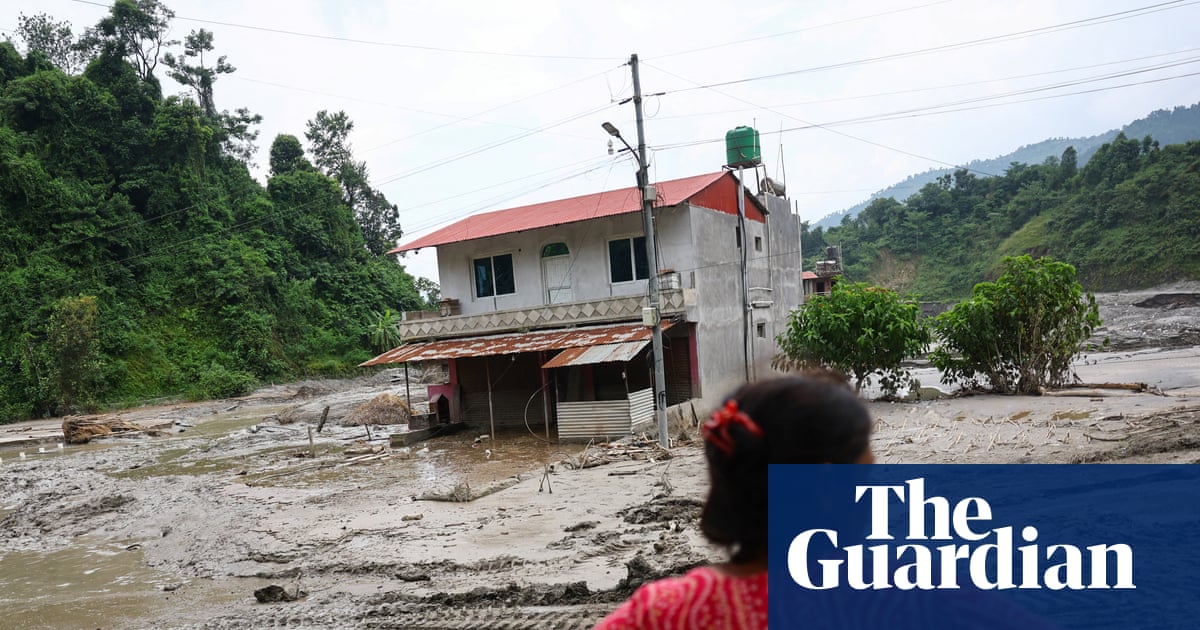
Foreign minister Shisir Khanal tells the Guardian the world’s biggest economies need to help Nepal, which contributes less than 0.1% of global greenhouse gas emissions Nepal is demanding $20m in climate compensation for the recent devastating floods, as a senior minister called on the world’s most polluting countries to “wake up” and accept shared responsibility for a disaster that led to the death or disappearance of more than 6,000 people. Scientists believe the climate crisis had a role to play in the floods , which were triggered when a melting glacier partially collapsed and set off a deadly landslide and flash flooding through Chinese-controlled Tibet and Nepal in late August. So far, more than 1,300 are confirmed dead and more than 5,500 still missing, with hopes of their survival diminished after 12 days of rescue operations . Continue reading...
Rural women in Kazakhstan work 10 to 15 hours per day, most of it uncounted and unpaid Originally published on Global Voices Ajgul Serikova, a resident of Uzunkol district of Kostanai region in northern Kazakhstan, collects as much water as she can before the taps run dry. Image via Central Asian Bureau for Analytical Reporting ( CABAR.asia ). Fair use . This article was produced by Nazgul Aidabossynova from Kazakhstan through the Digital Spark granting scheme, as part of the Regional Support Mechanism EECA project, implemented by the Metamorphosis Foundation and TechSoup , in partnership with CIVICUS and under the Digital Democracy Initiative (DDI) that covers the Global South. It is being published on Global Voices as part of a content-sharing agreement. In the village of Qyzylsay, southern Kazakhstan, the water disappears every afternoon. This is not a metaphor. By noon, the pipes literally go dry. Women wake before dawn to fill every container they own. Then they wait for the water to return. And while they wait, they carry buckets to gardens, feed livestock, take children to school, and shoulder an invisible mountain of labor that nobody counts, nobody pays for, and nobody sees. Ten women decided to change that. The problem nobody counted Qyzylsay sits in one of the hottest corners of Kazakhstan. Summers here now break records that old-timers say didn’t exist 20 years ago. According to Kazakhstan’s own data, water losses reach 40–60 percent in rural areas. Many rural areas also lack adequate sanitation infrastructure , according to research from The Borgen Project, so even when there is water, it isn’t always safe to drink. For the women of Qyzylsay, this is not a statistic. It is the silence of an empty tap at midday. In June 2026, UN Women released its landmark report “ Progress of the World’s Women 2026: Gender Equality in the Age of Climate Crisis .” It stated plainly what women in Qyzylsay already knew in their bones. You cannot build sustainable agriculture, or any sustainable future, without integrating the “care economy” into climate and agricultural planning. Rural women bear the heaviest burden of energy shortages, physical labor, and livestock care. The result is that they have almost no time to learn, to earn, or to organize. Natalia Solntseva fills a bucket to water her grandmother’s garden in Koksai, Almaty region. Central Asian Bureau for Analytical Reporting. ( CABAR.asia ). Fair use . Rural women in Kazakhstan work 10 to 15 hours per day, most of it uncounted and unpaid. In Qyzylsay, that labor includes waking at 4 a.m. on irrigation days to stand in a field for five hours watching water flow through irrigation channels. If you miss your turn to water, your garden dies. Five hours, three times a week: Forty to 60 hours a month, trapped in one of the lowest-value tasks imaginable. A phone that does more than WhatsApp My name is Nazgul, and from May to June 2026, I led four trainings for women in Qyzylsay under a project called “Digital Voice of Qyzylsay Women.” The premise was simple: Most women in this community already had smartphones. What they lacked was the knowledge that those phones could do more than send messages. We started with the basics: Reminders for livestock care, farm diaries with photographs, and training on the eGov app, which lets you request official government documents without traveling to the city. For women who had stood in queues for hours at government offices just to get a birth certificate, this was not a convenience. It was a revelation. Then we moved to water. Evidence that cannot be ignored A tap in rural Kazakhstan releasing murky, brown water. Image via Central Asian Bureau for Analytical Reporting ( CABAR.asia ). Fair use . Training 2 was called “Smart Water: When Your Garden Tells You It’s Thirsty.” We taught participants how to photograph water problems, such as dry canals, broken pipes, and contaminated sources, with automatic timestamps. We called these “Water Problem Cards.” A photo without metadata is an opinion. A photo with GPS coordinates, a date, and a description is evidence. We talked about Kazakhstan’s water rights in plain language, not legal jargon. Most of the women had never heard that access to clean water is not a favor from the local government, but a legal right. One of the participants said: “I always thought they ignored us because they could. Now I know they ignore us because we don’t have proof. So now we’ll have proof.” The number that changed everything Training 3 hit hardest. We sat together and calculated the true cost of one liter of milk — including the woman’s own time at a minimum wage rate. The room went quiet when participants realized they were subsidizing their buyers. They were running charities, not businesses. We also calculated what smart irrigation automation could return: 60 hours per month. Sixty hours that could be used for market trips, online courses, rest, or civic participation. At KZT 500 (USD 1.09) per hour, that is KZT 30,000 (USD 65.17) over one growing season — enough to pay back a shared automated pump system. By Training 4, the conversation had shifted. We were no longer talking about individual phones. We were talking about collective power. The most important outcome of these four months was not digital literacy. It was trust. The women participants who had worked alongside each other for years decided to form a cooperative. It has multiple founding purposes: to collectively address the village’s water supply crisis through documented work, organized advocacy, shared smart irrigation infrastructure, and to make women’s labor economically and civically visible. What comes next The cascade model from Training 4 is already underway: Three participants have begun teaching neighbors what they learned during our trainings. The cooperative is going to apply for a joint grant to install a shared smart well system. The project’s more long-lasting change is harder to measure. When a woman learns to calculate the value of her time, holds up a photograph and says, “This is evidence, and they must answer,” a permanent shift takes place for her individually and the community. The water in Qyzylsay still disappears every afternoon. But the women who carry it have found their voice. Nazgul Aidabossynova is a trainer and project coordinator, Digital Voice of Qyzylsay Women in South Kazakhstan, 2026. Written by GV Central Asia and Caucasus
About 60 to 70 percent of the Ghanaian population depends on the traditional medicine market for their medical care, according to a 2023 study in Frontiers in Pharmacology.
People in rural Ghana rely on traditional plant knowledge for three reasons: Accessibility, cost, and familiarity Originally published on Global Voices Vendor Yaa Akpe sells a branch of African Rosewood (Latin name Dalbergia Saxatilis) at her stall in Accra, Ghana. Photo by Jeslyn Lemke. Used with permission. This post is part of Global Voices’ August 2026 Spotlight series, “ Indigenous Rights .” This series offers insight into the lives and experiences of Indigenous peoples to build connections across regions, center Indigenous experiences, and share the stories of leaders, activists, community members, and more. You can support this coverage by donating here . T he traditional medicine market in Ghana, West Africa, is thriving, offering countless cures passed down by generations of Indigenous Ga and Twi tribes. As prices for Western pharmaceuticals and Western medical care rise, Ghanaians are relying on the medical remedies they have always turned to: plants. Dr. Kofi Donkor , deputy director of the Center for Plant Medicine Research, and an expert on the medical benefits of many traditional Ghanaian plants, noted: The traditional medicine practitioners themselves, for them, it is a profession. It is something that has been passed down from generation to generation to them. So they know how to use plants properly. Indeed, let me admit that for us in research, our primary source of knowledge, and in botanical research is from the traditional medicine practitioners. It is the knowledge from the practitioners that we try to validate using scientific methods. What we are doing in research is basically trying to validate the traditional knowledge that we get. Plant-based medicine is a big business in Ghana In rural Ghana, women start picking medicinal herbs from both the bush and cultivated plots early in the morning to sell fresh in the capital city of Accra. By mid-morning, they’ve set up their booths piled high with fresh vines, leaves, stems, and bark to sell to customers. Plant-based medicine is a big business in Ghana. The Center for Plant Medicine Research , created by the Ghanaian government in 1976, works with raw plant material to create natural products and treat patients. Their outpatient clinic sees roughly 16,000 patients a month. About 60 to 70 percent of the Ghanaian population depends on traditional medicine markets for their medical care, according to a 2023 study in Frontiers in Pharmacology . Donkor says many people in rural Ghana rely on traditional plant knowledge for three reasons: Accessibility, cost, and familiarity. In an interview with Global Voices, he explained: Indeed the data shows that in most developing countries, in rural communities, traditional medicine forms 80 percent of primary health care… It actually contributes largely to us trying to meet the goals of universal health care. The deep green forests and meadows of rural Ghana have been home to rural villagers for many years, so many villagers are already familiar with the various plants that can heal a disease. Living near these forests makes plant-based medicine an easy, cheaper option for treating disease in rural Ghana, when Western pharmacies are too expensive or far away. Donkor said many rural Ghanaians already know the right plants to treat a problem, and may only visit an herbal practitioner when a more complicated disease is present. He said: So sometimes when you are sick you don’t necessarily have to go to the traditional medicine practitioner in the community to get medication. You just go to your backyard and you know this herb is for malaria, this herb is for typhoid, this herb improves your hemoglobin levels, and you just pluck some, you boil, and you drink. Ongoing research on West African plants Botanical researchers at the Center for Plant Medicine Research are currently studying a full panel of West African plants for their ability to cure diseases, including a green shrub that has shown promising treatment against prostate cancer ( croton membranaceous ). When asked whether consumers can trust the plants sold in Accra’s open-air markets, Donkor cautioned that though vendors are probably selling the right plants, the dosage is really important. If a practitioner knows what they are doing and prescribes the right amount of a plant, it can be a powerful cure for the client. Featured in the above video is Patience, a plant healer who lives in Accra and regularly treats friends and family with traditional plants for many illnesses, including malaria, yeast infections, and colds. Patience shows how the common mother-in-law tongue plant ( Dracaena trifasciata ) can be prepared as a cold bath. She advises users to make a tea bath from the plant’s leaves, and then let it soak into the skin without drying oneself. She says the botanical brew calms anxiety and helps with good sleep. Spiritually, Patience says this plant can keep bad people away from one’s home if you keep it by the door. The scientific research at the Center for Plant Medicine Research, which draws on traditional medicine knowledge, adds legitimacy and international attention to the deep Indigenous knowledge of these plants. As Western drug costs and gas prices continue to rise in Ghana and across West Africa, the traditional medicine market can provide a sustainable source of natural healing for the population. Written by Jeslyn Lemke
2 Sep 2026, 12:00 GMTDiana Budds in New York City, with photographs by Thalia Juarez
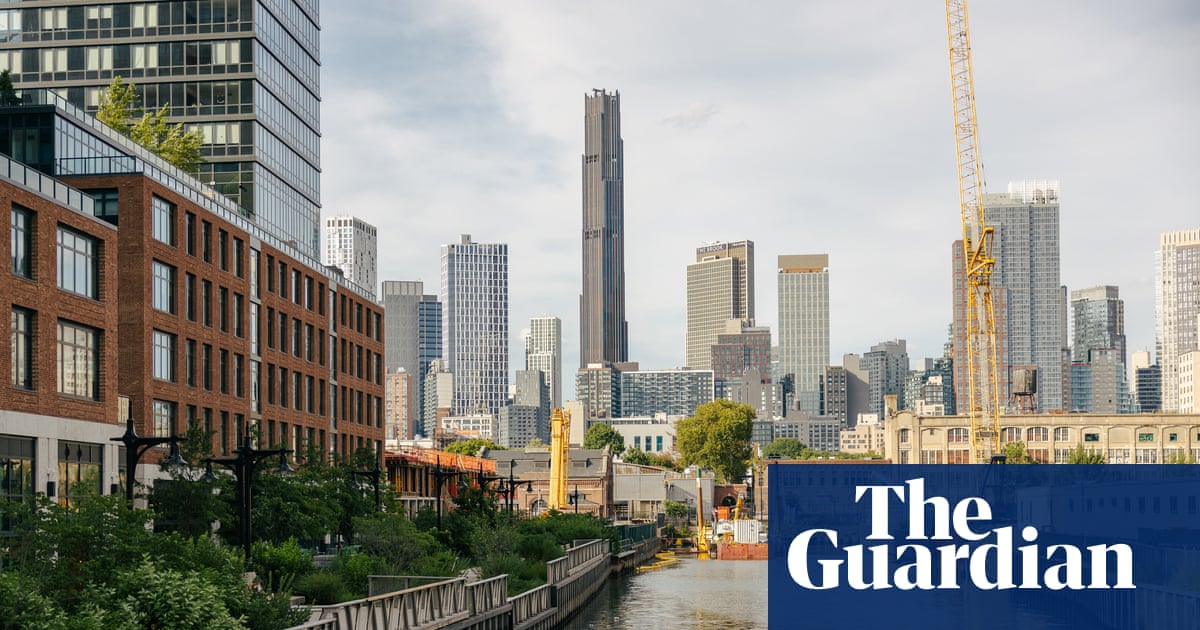
Designers are rethinking one of New York City’s most polluted sites with climate adaptation and community benefits The Guardian receives support for visual climate coverage from the Outrider Foundation . The Guardian’s coverage is editorially independent Continue reading...
Almost 98 percent of the study’s hourly measurements exceed the WHO safety thresholds Originally published on Global Voices A residential area beside a large industrial mining site. Photo by Afrewatch. Used with permission. In the Democratic Republic of the Congo (DRC), about 1,500 students and 68 staff members at the Galaxy School in Kolwezi breathe in some of the most polluted air ever recorded in this region. Their school sits less than 500 meters away from a mining waste disposal site. Almost 98 percent of the hourly fine-particle levels exceed World Health Organization safety thresholds . This figure alone confirms what the latest scientific studies conducted in the Lualaba mining area have revealed. The DRC is often hailed as a key player in the green energy transition, largely because the mineral resources within its borders are essential to producing batteries, solar panels, and other green tech. However, independent scientific studies on the scale of the contamination paint an alarming picture of the environmental cost in the Lualaba mining areas. Using independent methodologies in separate laboratories, studies conducted by Source International (a specialist Italian environmental sciences organization), Rights and Accountability in Development ( RAID) , and AfreWatch , in collaboration with Professors Célestin Banza Lubaba Nkulu and Arthur Kaniki Tshamala from the University of Lubumbashi ( UNILU ), all reached similar conclusions. Research published in June 2026 found widespread air and water pollution, as well as contaminated sediments surrounding the major copper and cobalt mines. This has serious health consequences for residents, especially children. These studies support the complaints and allegations that communities impacted by mining companies in southeastern DRC have made for several years. The DRC produces competitive quantities of copper and accounts for three-quarters of global cobalt production , an essential mineral for electric vehicle battery manufacturing and many energy transition technologies. These studies were conducted near the Tenke Fungurume Mining ( CMOC ), COMMUS ( Zijin Mining ), and Mutanda Mining ( Glencore ) industrial sites. Meanwhile, the Initiative for Good Governance and Human Rights ( IBGDH ASBL ) questioned the DR Congolese state’s inability to protect people from the country’s copper and cobalt mining giants, arguing that the human rights violations were committed with total impunity. The organization criticized: Les revenus miniers justifient-ils le sacrifice d'une génération ? À Kolwezi , les vies humaines sont en danger de mort… Le silence des autorités ne serait plus une simple lenteur administrative, mais une complicité tragique. Does mining revenue justify sacrificing an entire generation ? In Kolwezi , human lives are in imminent danger. The authorities’ silence would no longer be a mere administrative delay, but a tragic complicity. Deadly chemical footprints In their report , researchers found that fine-particle concentrations (PM2.5 and PM10) routinely exceeded WHO guidelines. At some sites, these levels reached up to six times the acceptable threshold. Almost 98 percent of the study’s hourly measurements exceeded the safety limits, indicating ongoing, rather than occasional, exposure to potentially toxic air. One of the most concerning examples involves the Galaxy School in Kolwezi, less than 500 meters from a mining waste disposal site. Here, researchers recorded some of the study’s highest air pollution levels. About 1,500 students and 68 staff members attend this school every day. Studies show that these particles have a chemical footprint characteristic of industrial mining residue, ruling out road traffic, domestic combustion, and artisanal mining as primary sources. According to Nathan Nkulu , a community leader and Musonoi district resident, the findings are alarming. He told Global Voices: Nous vivons dans une situation très difficile du fait de notre proximité avec les installations et les remblais des entreprises KCC et COMMUS , qui nous entourent. Surtout pendant la saison sèche, la poussière toxique envahit nos maisons ; parfois, un véritable nuage de poussière recouvre tout le quartier. Due to our proximity to waste rock from the KCC and COMMUS mines, we are experiencing an extremely challenging situation. During the dry season in particular, toxic dust invades our homes, sometimes clouding the entire district. For Flaviano Bianchini , executive director of the environmental NGO Source International , this is a case of severe pollution. In his report, he stated: Au cours de nos nombreuses années de surveillance de la pollution sur des sitesminiers industriels à travers le monde, ces résultats comptent parmi les plus préoccupants que nous ayons jamais documentés en matière de qualité de l'air. In all our years of pollution monitoring at industrial mining sites worldwide, these results are among the most concerning we’ve ever recorded . Heavy metal water contamination Beyond air quality, researchers have also highlighted concerning water resource contamination, detecting high concentrations of copper, cobalt, manganese, arsenic, lead, and even uranium in several rivers, lakes, and community wells. A community well in Kolwezi, just 200 meters from a tailings pond, was found to be 100 times more acidic than recommended levels, with manganese concentrations reaching up to 14 times the health limit. At such levels, manganese is toxic to the central nervous system. Lacking in drinking water, residents of the Kolwezi district use the water discharged from mining companies. Photo by Simplice Bambe. Used with permission. Professor Célestin Banza describes the contaminated sediments accumulating in the waterways as a “ chemical time bomb .” According to him, the local residents’ chronic exposure is likely to pose serious health risks, such as neurological disorders, renal diseases, chronic poisoning, and developmental disorders in children. Downside to the green energy transition DRC is often hailed as a solution country to the energy transition. However, people living near mining companies often find themselves caught in the grips of industrial copper and cobalt mining, overwhelmed by the intensity of activity in Kolwezi and the surrounding areas. According to the IBGDH , vegetation is dying, making the pollution obvious to the naked eye. Gardens and crops are withering away, depriving families of their resources. The organization has pointed the finger at Ruashi Mining , a company belonging to the Chinese Jinchuan group, holding it responsible for the air pollution that has gotten so bad as to cause chronic nosebleeds in the surrounding districts. Mines are not only expanding, but they are also encroaching upon communities that ultimately bear the brunt of the energy transition’s mineral race. Some districts are buckling under the burden of the mining expansion and its operations. Other communities are simply disappearing. As the state looks to clear land for mining operations, they forcibly evict residents, displacing many and causing some to become homeless. Some at-risk populations The region’s health professionals have reported an increase in persistent coughs, nosebleeds (epistaxis), eye irritation, and breathing difficulties. The reproductive health of women living near these mining sites has also raised serious concerns. Communities have reported cases of miscarriages, menstrual problems, and congenital disorders, which they attribute to the pollution. These testimonies, which align across districts, are not yet supported by an epidemiological investigation establishing a direct causal link. However, scientists say this is the next crucial step. For Emmanuel Umpula , AfreWatch Executive Director, we already have all the evidence we need to take action: Les communautés vivant aux abords de ces mines paient de leur santé, de leurs récoltes et de leurs rivières le prix des ambitions énergétiques mondiales. Elles nous le disent depuis des années, et la science confirme aujourd'hui ce qu'elles affirmaient. Il est temps que les entreprises agissent, et que le gouvernement de la RDC renforce l'application de ses lois environnementales. Communities living around these mines pay for the global energy ambitions with their lives, harvests, and rivers. They have been telling us for years what scientists now confirm. It’s time these companies acted, and the DRC government enforced its environmental laws more strictly. Meanwhile, to sustain the energy transition, global demand for copper and cobalt continues to rise. New scientific data have reignited the debate on mining operators’ environmental and social responsibilities in the DRC. For now, the “polluter-pays” principle remains a commitment that communities impacted by copper and cobalt mining are still waiting to see enforced. Written (Français) by Simplice Bambe Translated (English) by Laura View original post (Français)
As health-conscious consumers increasingly look beyond wheat, Africa’s Indigenous crops are finding new commercial value. Originally published on Global Voices Packaged Cassava and Potato flour. Photo by Bonface Orucho. Used with permission. This story was written by Bonface Orucho and originally published by Bird Story Agency on July 28, 2026. This revised version is republished below as part of a content-sharing agreement. It is also part of Global Voices’ August 2026 Spotlight series, “ Indigenous Rights .” You can support this coverage by donating here . Wheat has long dominated Africa’s bakeries. But inside Nairobi’s Kirsten Bakery, shelves increasingly feature breads, cakes, and pastries made from naturally gluten-free ingredients such as cassava , millet , and sorghum . The bakery is one example of a broader shift unfolding across Africa, where changing consumer preferences are creating new commercial opportunities for entrepreneurs, food scientists, and manufacturers to transform Indigenous crops into premium food products. The growing appetite for gluten-free foods is not driven solely by medical necessity, such as celiac disease, which makes people intolerant to gluten, explained Judith Moraa, a Nairobi-based nutritionist: Nowadays, people are choosing gluten-free foods not only because they have celiac disease but also because they are sensitive to gluten and experience allergic reactions after consuming products that contain it. She noted that eliminating gluten is not, by itself, a weight-loss strategy, explaining that many consumers mistakenly associate wheat with weight gain when the other contributors, such as excess calories from fats and sugars added during food preparation, are to blame. For consumers who can tolerate gluten, Moraa argues there is no medical reason to eliminate it entirely. However, she added that naturally gluten-free Indigenous crops such as cassava, millet and sorghum offer valuable nutritional benefits because they are rich in dietary fiber that supports digestion. Those changing dietary preferences are increasingly translating into commercial opportunity. The global gluten-free baked goods market was valued at approximately USD 2.6 billion in 2025 and is projected to reach USD 7.38 billion by 2034, according to Fortune Business Insights , reflecting growing demand for specialized bakery products. Although Europe and North America continue to dominate much of the market, African businesses are increasingly positioning Indigenous crops as locally sourced alternatives capable of supplying both domestic consumers and international markets. For many African food manufacturers, Indigenous crops offer advantages beyond nutrition. Cassava , millet and sorghum can often be sourced locally, reducing dependence on imported wheat while strengthening domestic agricultural value chains. Many of these crops are also more resilient to drought and changing climatic conditions, making them increasingly attractive as governments pursue food security alongside industrial development. Making African gluten-free ingredients competitive Researchers are already developing technologies that could make African gluten-free ingredients more competitive in the international market. At the University of Pretoria , Food Science researcher Daddy Kgonothi has developed a patent-pending modified marama bean protein concentrate designed to improve the quality and affordability of gluten-free baked products. Marama beans , drought-resistant and nutrient-rich legumes native to Southern Africa, are being used to tackle one of the biggest technical and commercial challenges facing gluten-free baking: Replicating the structure, elasticity and soft texture that gluten naturally provides in bread. Kgonothi noted: A growing number of consumers with celiac disease are unable to consume gluten-containing foods such as bread and therefore rely on alternative gluten-free products. However, many commercially available gluten-free products are expensive due to the large number of ingredients required to achieve desirable product quality. The invention, which emerged from Kgonothi’s doctoral research and is currently at the prototype stage with a patent application filed, is aimed at food manufacturers producing gluten-free bakery products. He added: I hope that this invention will ultimately reach the right stakeholders, particularly those actively involved in the FMCG (Fast-Moving Consumer Goods) industry. Transforming potatoes into gluten-free foods South African researchers are also exploring ways to transform cosmetically rejected potatoes into premium gluten-free foods, creating new markets for produce that would otherwise go to waste. According to Potatoes South Africa, around 140,000 tons of potatoes worth roughly 759 million South African Rand (USD 46.92 million) are rejected from the formal market each year because they fail to meet retailers’ aesthetic standards, despite being suitable for consumption. Researchers are now investigating how those potatoes can be converted into gluten-free flour and other value-added products. At Stellenbosch University , food science researcher Tanja du Toit has developed gluten-free breads, muffins and pancakes using reformulated potato flour, overcoming one of the biggest technical barriers in gluten-free baking. She explained: Potato flour is naturally gluten-free, which presents an enormous opportunity for product development, especially using lower-grade potatoes, since the defects in potatoes are masked when they’re made into flour. At the University of Pretoria, researchers have also developed gluten-free ready meals, including beef and potato lasagne, using lower-grade potatoes. Consumer trials found that willingness to buy the products increased significantly once shoppers learned they helped reduce food waste, suggesting sustainability is becoming an important driver of purchasing decisions alongside growing demand for convenient gluten-free foods. Researchers believe such innovations could create new value chains for potatoes previously treated as waste, improving farmers’ returns while supplying the expanding market for gluten-free food products. The commercial opportunities Governments are also beginning to build the institutional foundations for the sector. Nigeria recently secured approval through the Codex Alimentarius Commission to lead the development of an international standard for root and tuber flours, including cassava, yam, and sweet potato flour. Similar developments are emerging across the continent. Cassava is increasingly being processed into gluten-free flour across West and Central Africa, while sorghum and millet are finding new applications in specialty foods in Eastern and Southern Africa. Ethiopia’s teff is also moving beyond its traditional regional market. In February, British International Investment committed USD 5 million to Lovegrass Ethiopia to expand production of teff-based foods for domestic and export markets, highlighting growing investor confidence in Indigenous grains. The crop is also beginning to spread beyond Ethiopia, with Kenya’s Agricultural and Livestock Research Organization (KALRO) piloting drought-tolerant teff varieties in Marsabit as part of efforts to strengthen climate resilience while positioning farmers to serve the expanding global market for gluten-free foods. Fonio , cultivated across parts of West Africa, is similarly attracting commercial interest as demand grows for nutrient-rich alternative grains. The commercial opportunity is also extending to finished consumer products. South African producer Colleen’s Handmade Sauces recently expanded into the United Arab Emirates through premium online grocery retailer Kibsons, illustrating how African manufacturers are increasingly exporting gluten-free and clean-label foods alongside ingredients. That commercial momentum is becoming increasingly visible at industry exhibitions such as the AFMASS Food Expo in Nairobi, where millers, ingredient suppliers, equipment manufacturers, and food processors are dedicating growing attention to specialized flours and value-added African ingredients. New product development is also accelerating. Companies such as Mugala Naturals are formulating snack bars using Indigenous ingredients, including teff and amaranth, to meet growing demand for clean-label foods made without artificial additives. These developments in food production and research put the continent in a prime position to lead the artisanal ingredient industry in the future. Written by Bird
African governments can lead by requiring environmental and social impact assessments for AI infrastructure Originally published on Global Voices Ibrahim says AI has the potential to support, rather than replace, Indigenous peoples’ knowledge. She gives a positive example in Chad, where participatory mapping, satellite data and predictive AI tools have helped anticipate drought and protect herders’ migration routes. Image: Chadpix / Alamy via Dialogue Earth. Used with permission. This article by Brian Obara was originally published by Dialogue Earth on August 13, 2026 . It is republished on Global Voices as part of a content partnership agreement. It is also part of Global Voices’ August 2026 Spotlight series, “ Indigenous Rights .” You can support this coverage by donating here . Dialogue Earth speaks with the Chadian environmental activist Hindou Oumarou Ibrahim about Indigenous perspectives on AI. As African governments develop national artificial intelligence strategies, questions of safety, economic competition and employment have dominated the policy debate. Less attention has been paid to how AI expansion may affect environments, water and biodiversity, or the rights of communities whose territories and knowledge are being encroached upon. These concerns arise at several points in the AI value chain. The associated data centres require energy, water and land, while their hardware depends on mineral supply chains. AI systems may collect and reproduce cultural, linguistic and environmental knowledge without recognising that such information is often held collectively by a community, rather than by an individual. This is important because conventional data protection frameworks tend to focus on individual data privacy and ownership, making them poorly equipped to protect collectively held information. In July, the UN held its first-ever Global Dialogue on AI Governance , in Geneva, Switzerland. Among those in attendance was Hindou Oumarou Ibrahim. She is president of the Association for Indigenous Women and Peoples of Chad , and a former chair of the UN Permanent Forum on Indigenous Issues. While there, she took part in discussions on advancing environmentally sustainable AI governance that also respects the rights of Indigenous peoples. Here, Ibrahim tells Dialogue Earth about the importance of bringing Indigenous perspectives to Africa’s AI governance debate. She explains why African governments should incorporate biodiversity, land rights and collectively owned data considerations into their AI policies. She says Indigenous peoples must be recognised as rights holders and decision-makers – especially when newfangled technology has implications for their lands or intellectual heritage. The interview has been edited for length and clarity. Dialogue Earth: As African countries develop national AI strategies, what opportunities do governments have to reflect the continent’s environmental realities and cultural diversity? Hindou Oumarou Ibrahim at the World Economic Forum in Davos, Switzerland, 2023. Image by Boris Baldinger / World Economic Forum , CC BY-NC . Hindou Oumarou Ibrahim : Africa is home to extraordinary biological and cultural diversity, but it also faces significant pressures from climate change, mineral extraction, land degradation and infrastructure expansion. National AI strategies should therefore connect technological development with biodiversity protection, climate resilience, land rights and the responsible management of natural resources. African governments can lead by requiring environmental and social impact assessments for AI infrastructure. This would help protect water and land from unsustainable data centre development, and ensure that mineral demand does not drive ecosystem destruction or dispossession. They can also make Indigenous peoples formal participants in AI governance and protect collective rights over our rich and diverse cultural, linguistic and environmental data. There is also an opportunity to invest in African and community-controlled AI capacity: local research institutions, Indigenous peoples’ innovation centres, African language and culture models, and technologies designed for African and community needs, rather than external markets. What are current AI governance debates missing by leaving biodiversity and Indigenous rights at the margins? AI governance has largely been built around a western, human-centred understanding of risk. Policymakers are rightly concerned about issues such as misinformation, employment, discrimination and security. But they have paid far less attention to the natural systems that make economies and societies possible. As a result, biodiversity loss, ecosystem damage and Indigenous peoples’ rights are rarely treated as core AI governance issues. There is also a wider risk. Without ecological guardrails, AI could accelerate extraction, consumption and infrastructure development in ways that place even greater pressure on ecosystems and Indigenous peoples. Many of the lands under pressure from the mineral, energy and infrastructure sectors are Indigenous peoples’ territories and biodiversity-rich areas. AI governance cannot be described as responsible if it does not protect the ecosystems and cultures on which communities depend. What should meaningful Indigenous participation in AI governance involve? Indigenous peoples should help shape the safeguards that protect their rights, knowledge and territories. They should participate in decisions about how systems affecting them are deployed. This must be done with respect for free, prior and informed consent. Participation is not only about consultation. Indigenous peoples must be recognised as decision-makers and rights holders, particularly when AI policies, infrastructure projects or data practices affect their land, knowledge or cultural heritage. How are existing data protection systems failing to protect knowledge and data held collectively by communities, rather than individuals? Conventional data protection systems tend to focus on individual privacy. They do not adequately protect a community’s collective rights over its language, cultural heritage, traditional knowledge or territorial information. Indigenous peoples must retain control over whether and how their knowledge and data are used. Governments and companies should recognise that Indigenous peoples’ data is often collective and develop consultation frameworks that reflect this. AI companies should also audit their models for linguistic and cultural bias, include Indigenous leaders and experts throughout the process, and create mechanisms that allow communities to challenge or remove inaccurate or harmful representations. Can AI support Indigenous knowledge and conservation without replacing community expertise? There are encouraging examples in which AI is supporting, rather than replacing, Indigenous peoples’ knowledge. Some examples are outlined in a recent report to the UN Economic and Social Council on Indigenous peoples and AI. In the Amazon, Indigenous communities have worked with NGOs and researchers to use AI-supported satellite monitoring to detect illegal deforestation and mining. In Chad, participatory mapping and predictive analysis have been combined with pastoral knowledge to anticipate drought and protect herder’s migration routes. In the Arctic, Sámi and Inuit communities have integrated traditional knowledge with predictive models to monitor changes in sea ice, wildlife movements and the impacts of extractive industries. The important point is that the technology should strengthen existing knowledge rather than replace it. Indigenous peoples bring detailed, place-based understanding accumulated over generations. AI can help analyse information and identify patterns, but it cannot substitute for the cultural context, relationships and judgement that make that knowledge meaningful. AI can also help communities and conservation organisations process large volumes of information more quickly. It can support the detection of deforestation and illegal extraction, identify changes in ecosystems, analyse satellite or acoustic data, predict environmental threats and improve monitoring in places that have historically lacked resources. The strongest opportunities are those in which AI supports priorities defined by communities themselves and strengthens the capacity of people already protecting nature. But these benefits are not automatic. Technology can reinforce inequality when tools are designed without community participation, when data is extracted without consent, or when communities lack the infrastructure and funding needed to use the systems themselves. Using AI to monitor forest loss does not compensate for an AI growth model that drives greater energy use, mineral extraction, water consumption or habitat destruction. What is one AI governance recommendation you would make to world leaders? Leaders must ensure that no AI system, policy or infrastructure project affecting Indigenous peoples, their data or their territories proceeds without their free, prior and informed consent. That principle should apply across the entire AI value chain: from the extraction of minerals and construction of data centres to the collection of Indigenous peoples’ knowledge, and the deployment of AI tools in communities. This is not only about preventing harm. It is about recognising Indigenous peoples as decision-makers and rights holders. World leaders should embed Indigenous peoples’ participation and data sovereignty directly into national and international AI governance frameworks, rather than treating them as optional social safeguards. Written by Dialogue Earth